Sensory Playdate Activities for Kids Who Need Calm
Some kids need a calm-down playdate, not a high-energy one. Here are 12 sensory activities that regulate, soothe, and help an over-stimulated kid reset.
David Chen
May 27, 2026
Some kids need a calm-down playdate, not a high-energy one. Here are 12 sensory activities that regulate, soothe, and help an over-stimulated kid reset.
David Chen
May 27, 2026
By 10, playdates are hangouts. The activities matter less; the friend matters more. Here is what still works, what does not, and how to host a tween hangout that does not feel like a setup.
School-age kids run their own playdates if you let them. Here are the activities that absorb 6-to-9-year-olds for two hours and the parent moves that make it work.
Preschoolers are where playdates get fun. Pretend play emerges, cooperation gets possible, and the right setup will absorb two kids for an hour. Here are 20 that work.
Toddler playdates are not really about playing together yet. They are about playing alongside, with the right setup. Here are 12 activities that actually hold up under 3.
A screen-free playdate is not about being puritanical; it is about giving the kids a clear runway to find their own play. Most kids fall into a great hour of pretend or building once the screen is off the table, but the first 10 minutes can be tough. Here is how to set one up so it works, including the small conversation with the other parent that makes the difference.
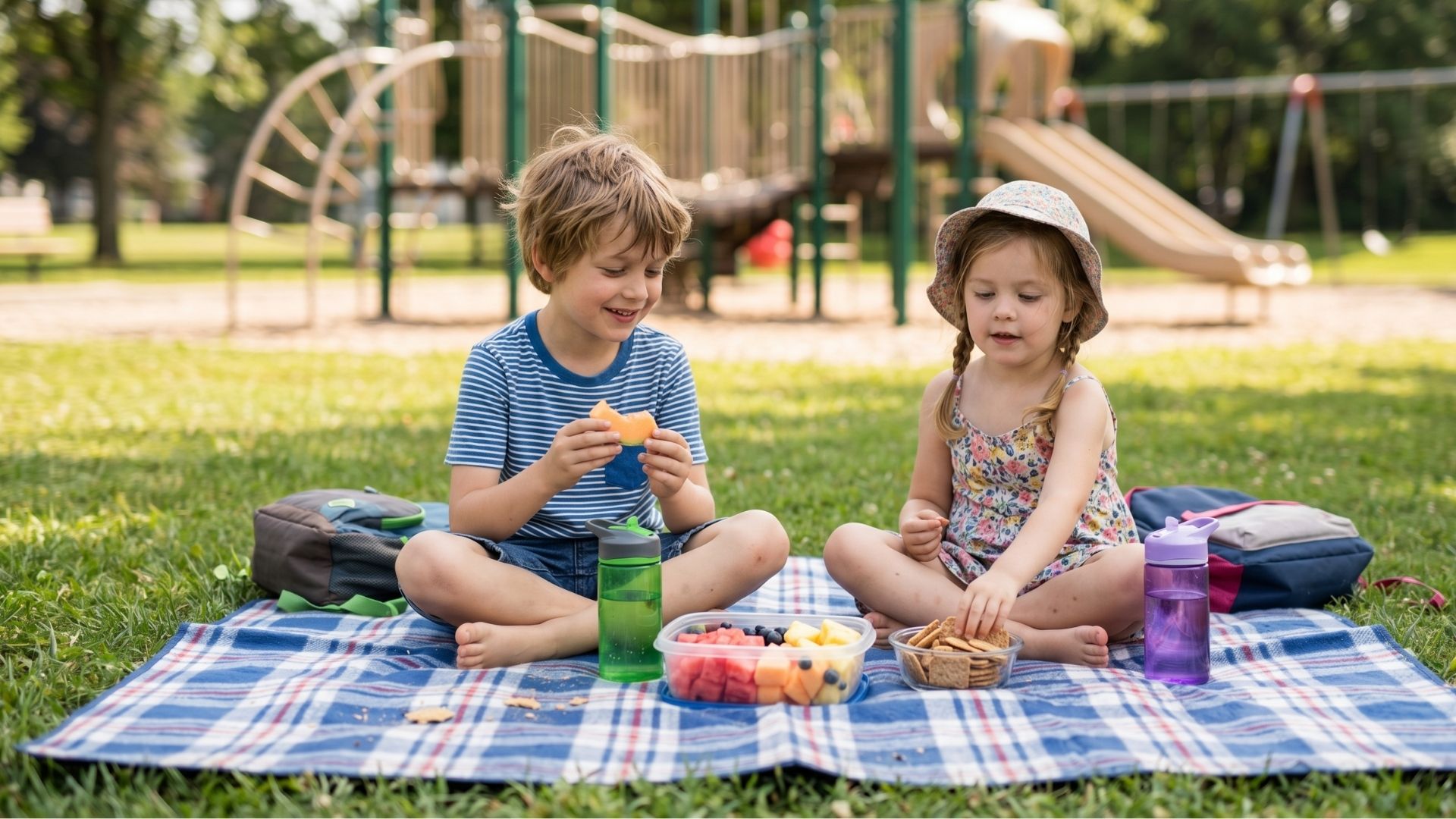
An outdoor playdate is the lowest-effort, highest-payoff version of hosting a kid's friend. The grass does the babysitting, nobody has to pretend the living room is clean, and most kids burn off enough energy that the post-playdate evening is calm. Here are 20 ideas that go beyond "meet at the park," sorted by setting and age, plus the gear that makes any of them work.
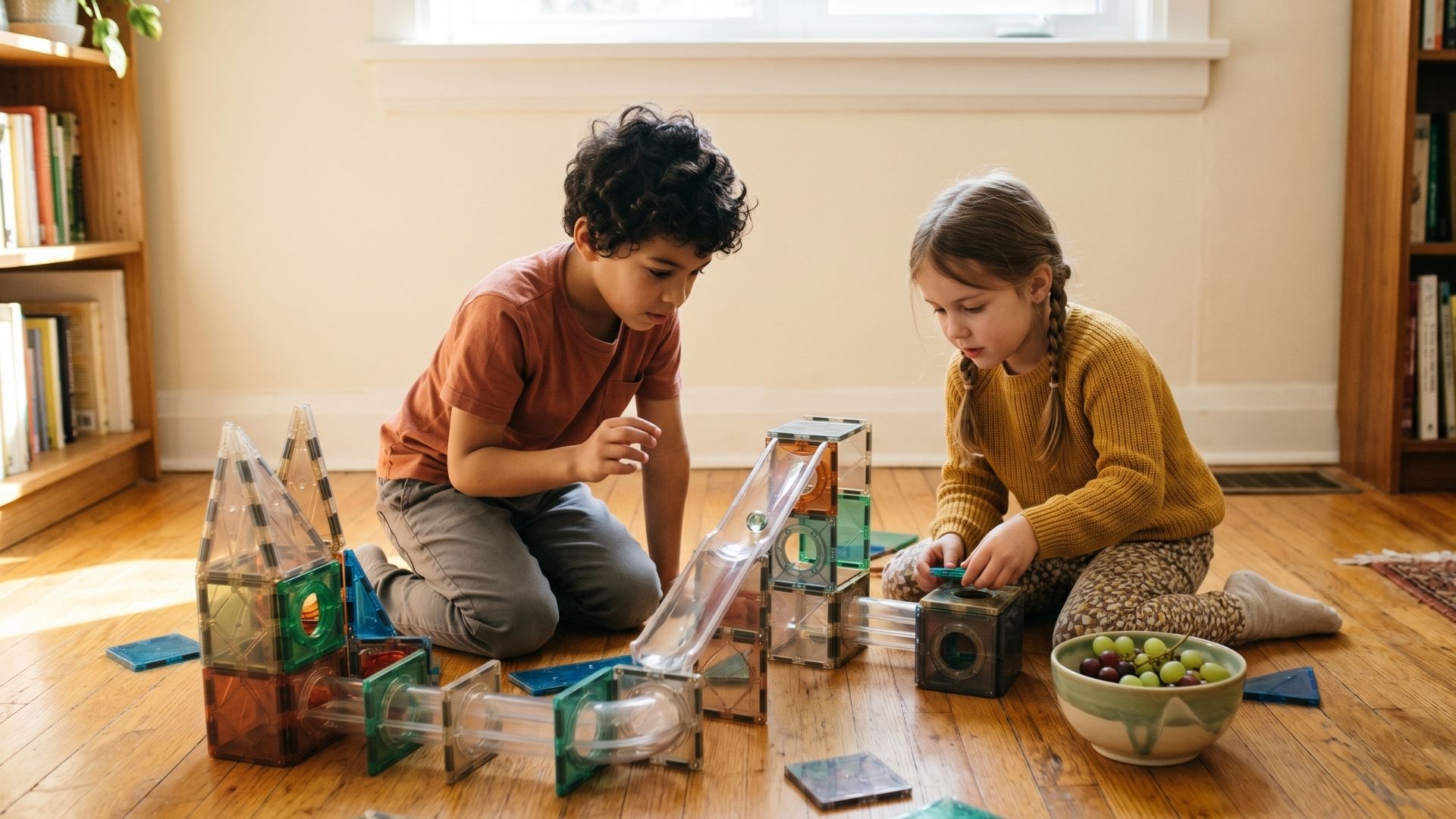
Rainy day playdates fail when you try to recreate the magazine version of "cozy indoor afternoon." They work when you accept the truth: kids need to move, the floor will get messy, and one strong activity will outperform a basket of half-considered crafts. Here are 25 ideas that survive the first 15 minutes, sorted by age and prep, with notes on when it is okay to put on a movie.
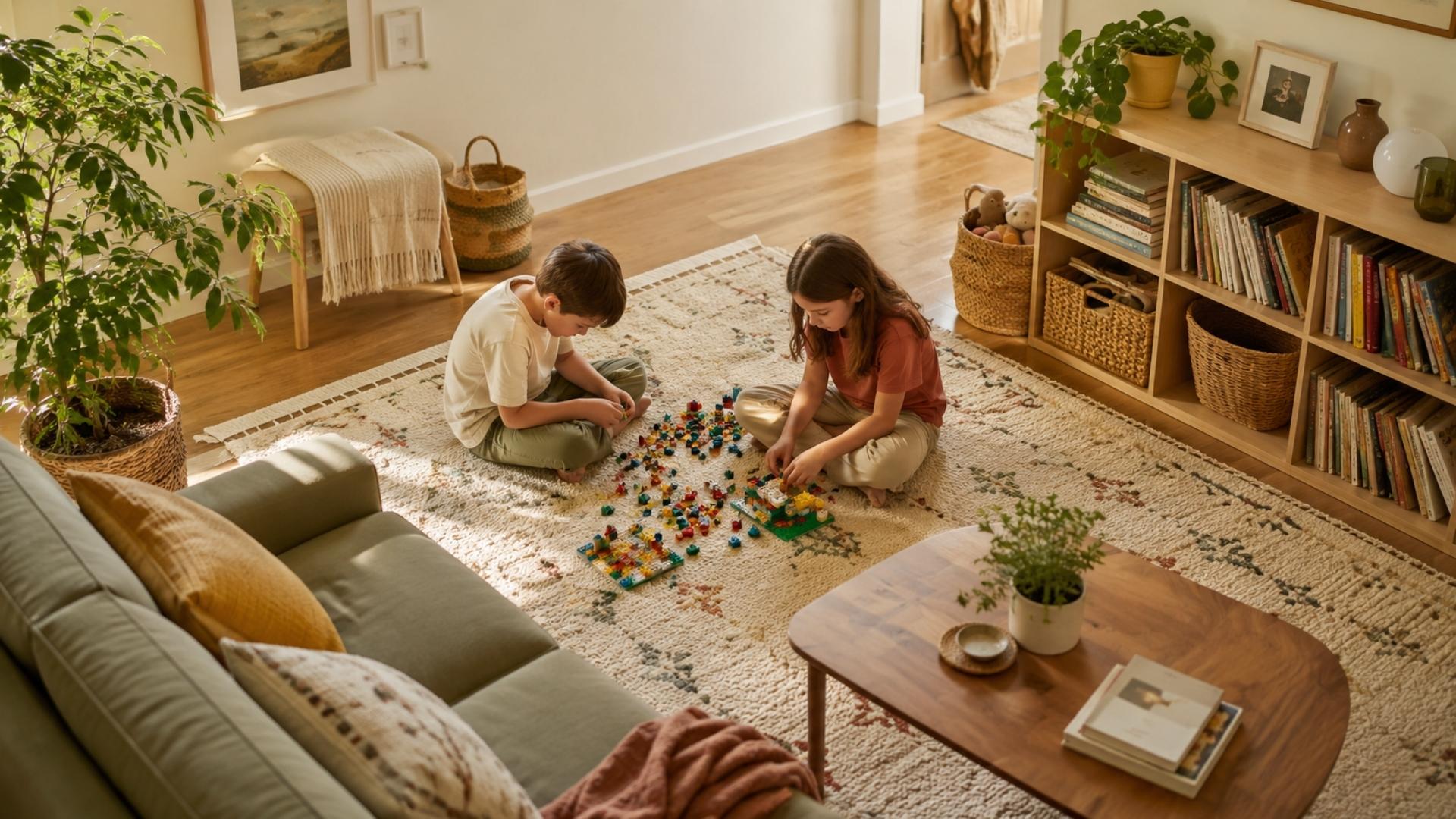
The activities that work indoors are not the most elaborate ones; they are the ones with low setup, low mess, and a clear shape. A 90-minute playdate needs about three: one to start with (calm, focused), one for the energy peak (movement or pretend), and one for the wind-down. Here are 30 activities sorted into those buckets, plus a quick age-and-mess guide so you can pick the right one for your kid and your floor.
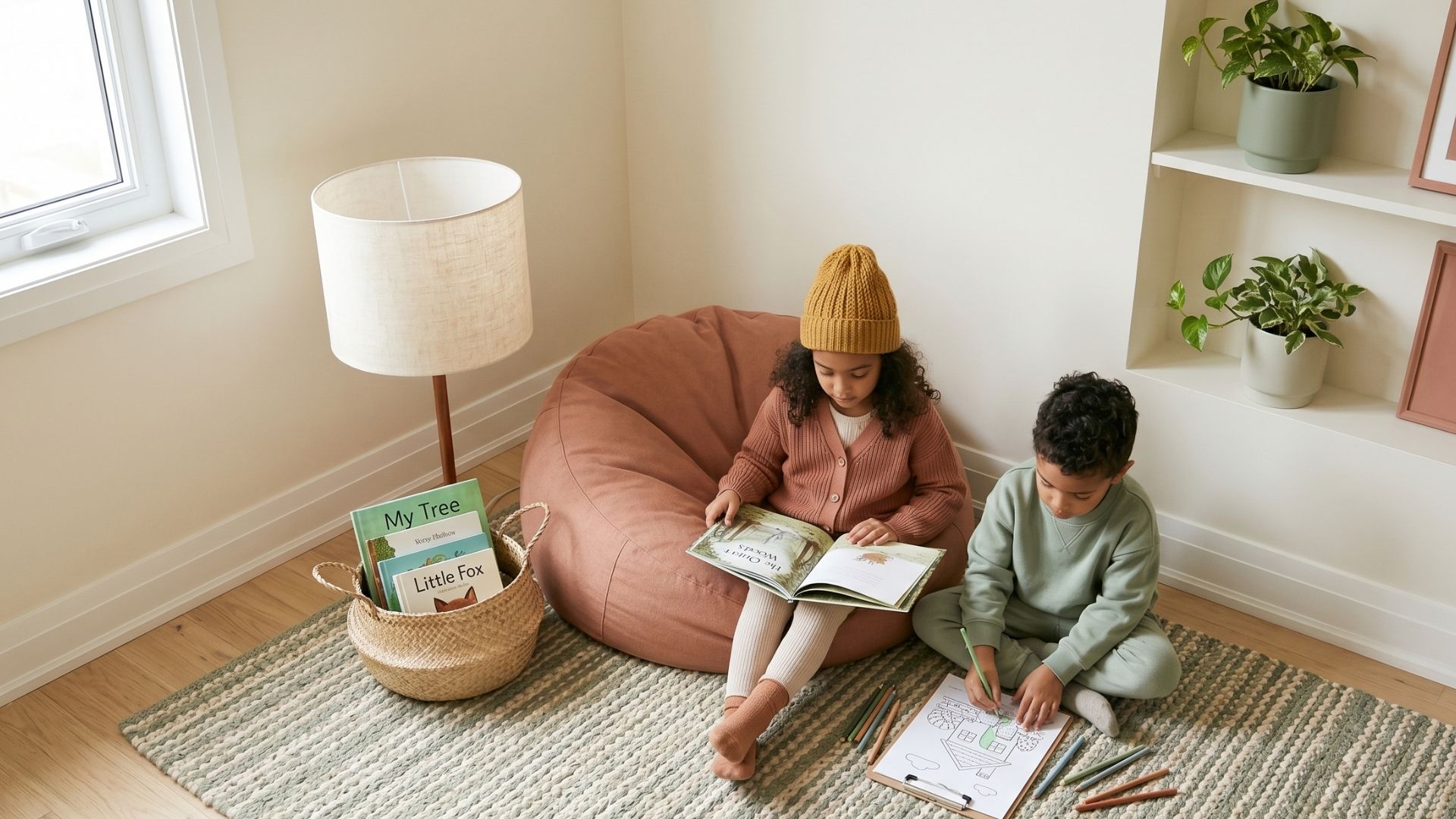
The play spaces that work are not the ones on Instagram. They are the ones with eight toys instead of eighty, a soft place to sit, and a corner kids can disappear into when the energy gets too big. Here is how to set up a play space that actually gets used, holds two to four kids during a playdate, and cleans up in under five minutes.
Food allergies do not have to make playdates harder; they just have to make them deliberate. A 10-second text before the playdate, a quick check of the snack you were planning to serve, and a simple plan for what to do if something goes wrong cover almost every situation. Here is how to host a kid with allergies, how to be a guest parent of one, and the small mistakes that create most of the trouble.
The best playdate snacks are simple, familiar, and fast. Forget the grazing platter; kids want something they can eat in two minutes and get back to building. Here are 30 snacks that work, sorted by how much prep they take, with notes for allergies and the under-five crowd. None of them require baking, plating, or a Pinterest moment.
Get our curated list of outdoor activities and seasonal tips delivered to your inbox every Thursday.