
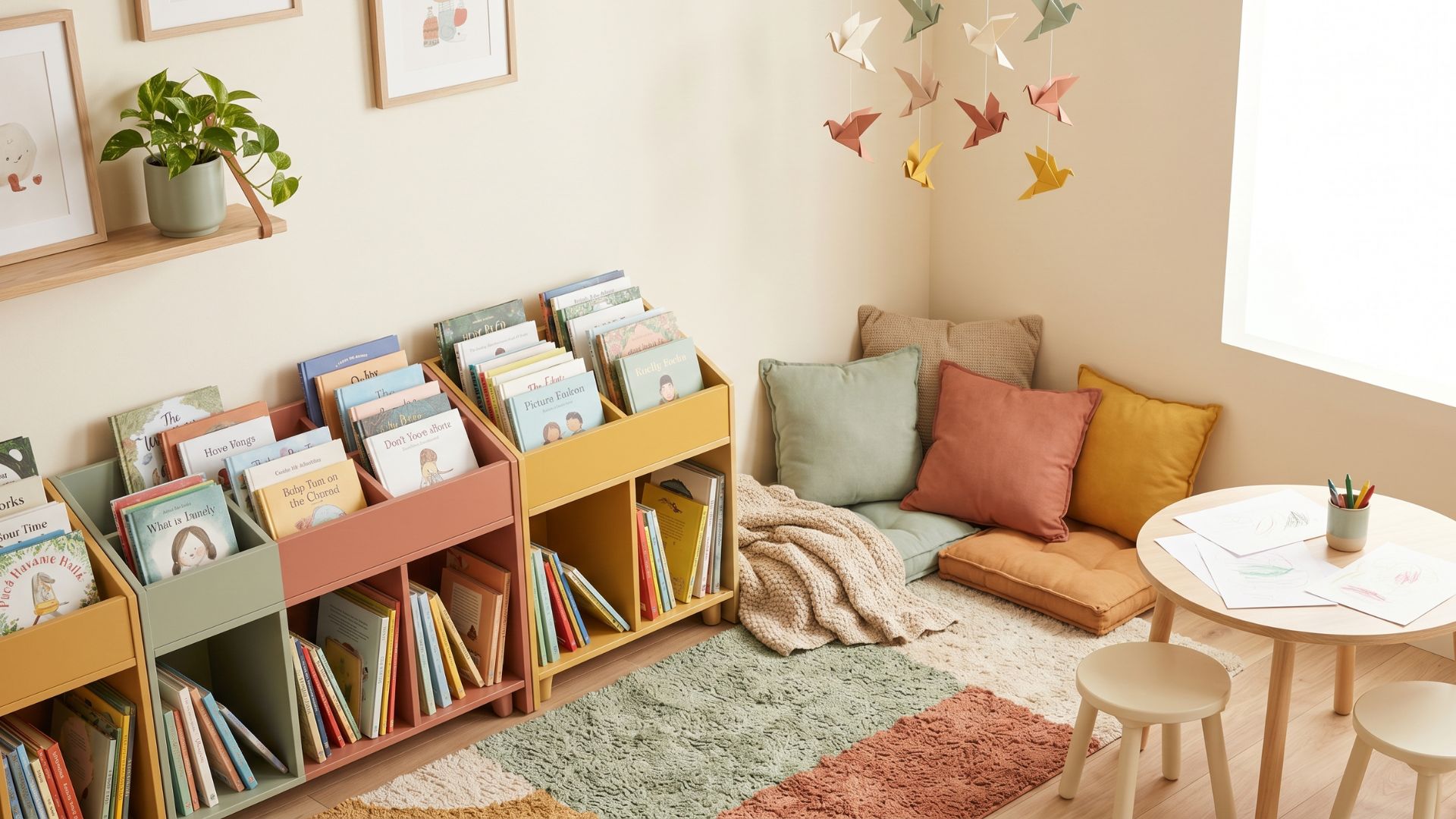
The modern children's library has been quietly reimagined over the past decade. The best examples are part maker-space, part adventure playground, part community hub, and they are all completely free. If you have not visited your local library in a while, you are likely missing the most underused family resource in your city. Here is what to look for in a great one, and how to find one within reach.
The modern children's library: it is not just books anymore
If your last memory of a library is a quiet building with shushing librarians and a row of dusty picture-book shelves, you are picturing a library from 30 years ago. The shift in the past decade has been substantial. Today's best children's libraries include:
- Free weekly story times (often two or three a week, organised by age).
- LEGO clubs, coding sessions, robotics clubs, and craft drop-ins.
- School-holiday activity weeks (often free or near-free, with structured programmes).
- Maker spaces with 3D printers, sewing machines, recording booths.
- Toy libraries (yes, many libraries lend toys now).
- Performance space for puppet shows, author visits, and family concerts.
- Language story times in Spanish, Mandarin, French, and other community languages.
- Loanable items beyond books: museum passes, board games, musical instruments, telescopes.
All of this is funded by your taxes and free at the point of use. The kid does not need to be a great reader; the library is set up to welcome under-fives, neurodivergent kids, and families who have never been to a library before.
What to look for: the 7-point checklist
Some libraries have done the renovation and the programming work; some have not. The 7 things that separate a great children's library from a mediocre one.
- A dedicated children's section with low shelving, soft floor seating, and natural light. The kid can browse without help.
- Story times scheduled at least twice a week, ideally with separate sessions for babies, toddlers, and preschoolers (different developmental needs, different formats).
- Visible activity programming. A wall calendar or display showing what is happening this week and next; not just "come back in summer for the reading challenge."
- A play area with toys, puzzles, or building blocks separate from the bookshelves. Quiet shelf-browsing is for parents; under-fives need somewhere to play.
- Friendly children's librarians who know the regulars by name. Walk in once; if a librarian smiles at the kid before they smile at you, that is the right library.
- A craft drop-in or maker-space corner. A small craft table with paper, crayons, and a daily prompt is the simplest version; a full maker-space with sewing and 3D printing is the deluxe.
- Comfortable family-friendly facilities: clean toilets within easy reach, baby-changing, water fountain, somewhere parents can sit while kids browse.
If your local library has 5 of these 7, it is genuinely good. If it has all 7, it is excellent and you should be visiting weekly. If it has fewer than 3, look for a better library within driving distance; many cities have dramatic variation between branches.
Library programs by age
Babies (0 to 18 months).
Bouncy songs and lap bouncy, sensory rhymes, and signing-with-baby story times. Most cities have a free weekly baby session aimed at the under-1 set; goal is socialisation for the parent and sensory exposure for the baby. Even pre-walking babies benefit from being read to in a group; the back-and-forth language exposure is well-evidenced.
Toddlers (18 months to 3 years).
Toddler story time, puppet shows, sensory bin sessions, music and movement classes. The toddler-specific format is short (20 to 25 minutes), interactive, and includes movement so the kid does not have to sit still. Story times are designed by trained librarians who know exactly how to hold a 2-year-old's attention.
Preschoolers (3 to 5 years).
Longer story times (30 to 40 minutes), themed craft sessions, beginning-reader visits, special-author drop-ins. School-holiday programmes start to make sense at this age (a week of themed activities like dinosaurs or space). Get on the email list for advance notice.
School-age (6 to 9 years).
LEGO clubs, coding workshops, chess clubs, book clubs, theatre and puppet workshops. The Summer Reading Challenge (see next section) is the headline programme of the year; sign up Day One. Many libraries also run a holiday club for school-break weeks at low cost.
Tweens (10 to 12 years).
Maker-space sessions (3D printing, electronics, sewing), DIY workshops, gaming clubs, writing clubs, manga and graphic-novel groups. Many cities run a teen advisory board where 11 to 13-year-olds help shape programming. Tween library programmes are often surprisingly cool and absolutely worth showing up for.
Mixed-age siblings: most libraries run staggered story times within an hour of each other so a parent can take both kids without two trips. Worth asking at the desk if it is not obvious from the schedule.
The Summer Reading Challenge (and why to sign up day one)
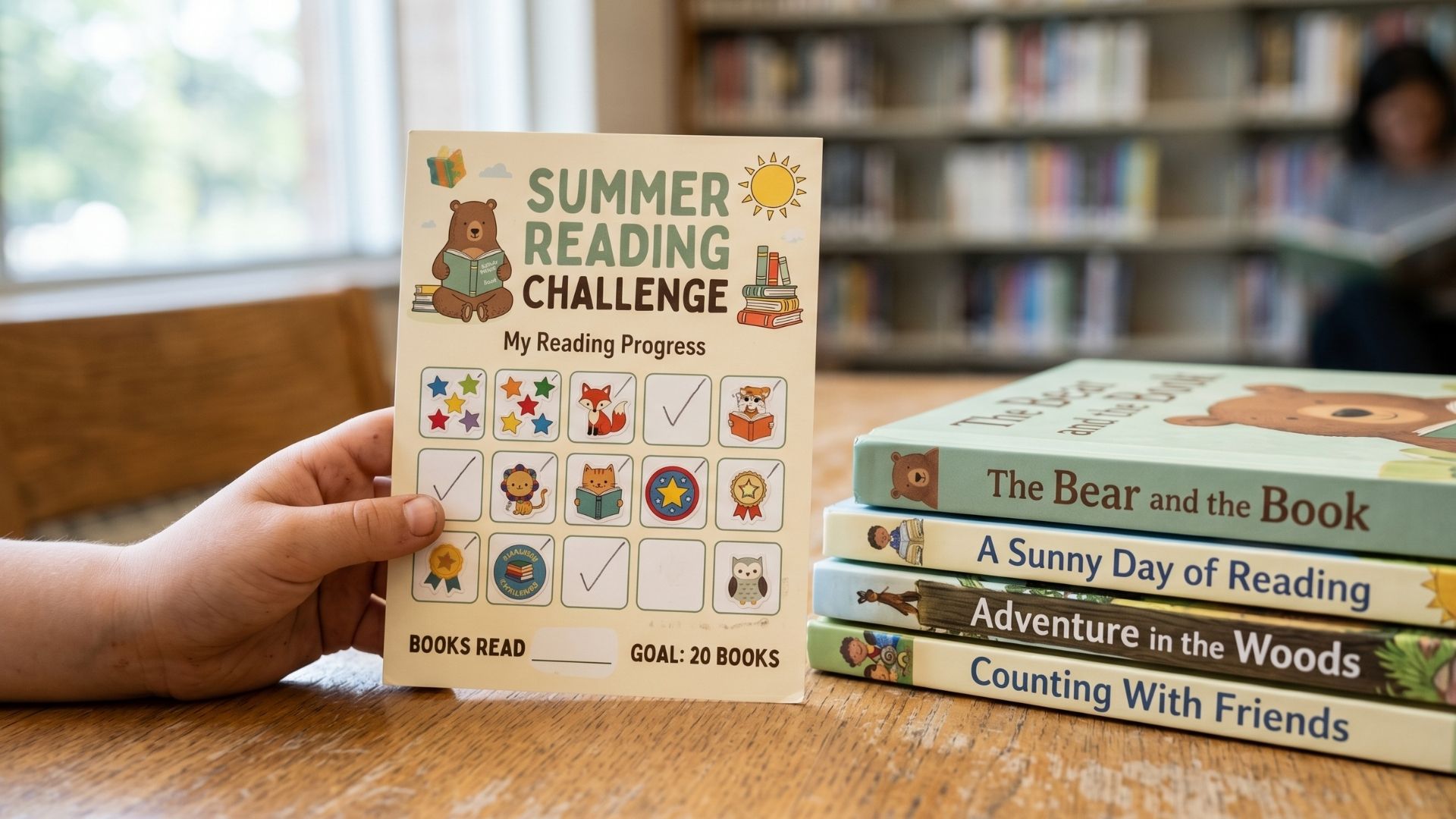
If your library participates in a national or regional summer reading challenge, sign up the first week of summer holiday. Do not wait until July; sign up in mid-June.
The Summer Reading Challenge (in the UK, run by The Reading Agency, in the US run locally by individual libraries and increasingly through Beanstack and similar tracking apps) is the single best programme for keeping kids reading through the summer. The format: kids read a set number of books over the holiday, get a free incentive (sticker, certificate, small prize), and engage with library staff who are excellent at recommending the next book.
Why sign up early. The early-summer sessions are the least crowded; you and your kid get more attention from librarians. Some libraries have first-week-only special events (an author visit, a kickoff party). And the early-sign-up momentum genuinely helps; kids who start week one are far more likely to finish than kids who start week four.
What to do during the challenge: visit weekly. The structure is built around return visits (each book counted, each milestone celebrated). Set a regular slot (Saturday morning, Wednesday after-school) and make it part of the summer rhythm. Six visits and a stack of books is a substantial summer for a young reader.
Virtual library access (the part most parents do not use)
Most library cards now give you access to substantial digital resources beyond the physical building. Most parents do not realise this and miss out.
- E-books and audiobooks via Libby, OverDrive, or hoopla. Free, on your phone or tablet, no late fees because the books auto-return. Every kid old enough for an audiobook should have one going; this is the simplest way to add 30 minutes of literature to a car ride.
- Streaming services (Kanopy for films, hoopla for movies and music). Many libraries offer free family-friendly films and TV shows.
- Online courses and tutorials (often through Linkedin Learning, Mango Languages, Universal Class). Free language courses, free music tutorials, free art courses.
- Free database access (Britannica, World Book, JSTOR, Newspapers archives). Useful for school projects.
- Museum passes (in many US cities). One free museum visit a month for the family.
- Toy and game lending. Increasingly common; libraries lend musical instruments, telescopes, board games.
All you need is a library card. Get one for every member of the family if your library allows multiple cards per household. Set up the apps (Libby, hoopla) on your phone the same week you get the card; the apps go from useful to genuinely habit-forming once they are configured.
How to find your local library's gems
If you have moved recently, or if you have not visited in years, here is the fastest way to figure out what your local library actually offers.
- Walk in and ask the children's librarian for a tour. Most will give you a 10-minute walk-around if you ask. They will show you the toy library, the maker space, the next-week activities. This is the highest-yield 10 minutes of family research you can do.
- Sign up for the email newsletter. Most library systems send a weekly or biweekly email listing children's programming. Three months of newsletters and you will know everything that is on offer.
- Pick up the printed monthly calendar. The physical wall calendar is often more comprehensive than the website. Take a photo of it on your way out.
- Follow on social media (Instagram and Facebook). Many libraries post daily activities, last-minute event reminders, and new-book arrivals.
- Visit branches you have not been to. If your city has multiple branches, the differences can be substantial. The downtown flagship library often has bigger spaces; a smaller neighbourhood branch might have warmer programming or a beloved librarian. Try three branches before settling on a favourite.
If your immediate local library is uninspiring, look at the next library system over. Many regions have reciprocal-borrowing agreements that let you use multiple library systems with one card; ask at the desk.
Making the most of a library visit
Library visits go better with a tiny bit of intent. Three small habits that level up the experience for kids and parents.
- Have a target before you go. "We are going to find one chapter book and one picture book." "We are going to do the Lego club today." "We are going to renew our books and pick up the holds." Not a long list; one or two things. Aimless library visits work for adults; kids do better with a small mission.
- Use the holds system. Ask the librarian or use the website to put any book on hold; the library finds it from across the system and emails you when it is in. You walk in, pick up the held books from a labelled shelf, and walk out. 5-minute visit. Saves the browsing-fatigue.
- Build a regular slot. Same day, same time, every two weeks. Kids respond to the rhythm; the library trip becomes a habit instead of a chore. Sunday morning, Wednesday after-school, Friday before dinner. Pick one; stick to it for three months and watch the kid's reading take off.
And: read the new books with your kid. Library visits work best when the books actually get read at home. The pile on the kitchen table is what matters; the visit is just the supply run.
Volunteering, supporting, and growing your library
Library budgets are pressured almost everywhere. Libraries that have engaged communities (active Friends-of-the-Library groups, regular volunteers, vocal supporters) get better funding and survive longer. Even small contributions matter.
Three easy ways for a busy parent to support the library:
- Use it visibly. Check books out. Attend events. The library's funding case is built on visit numbers and circulation stats; every check-out is a vote.
- Donate gently-used books or join a Friends-of-the-Library group. Most groups meet monthly and an hour or two of volunteering goes a long way.
- Vote in local elections that affect library funding. Library budgets are local; library champions get elected (and re-elected) by parents who turn up to vote.
If your local library closes a programme you valued, write a short email to the head librarian thanking them for past programming and asking what your family can do to support its return. Quiet political pressure works in library budgets in ways it does not in many other public services.
Frequently asked questions
Is there an age when a kid is too young (or too old) for the library?
Neither. Babies as young as 6 weeks attend baby story time; many libraries welcome newborns. Tweens and teens have dedicated programming and study spaces. The library is a 0-to-100 institution; the only "too young" is when the parent is too overwhelmed to bring an active toddler, in which case the toy library or a quiet weekday morning is the right entry.
What if my kid is loud and disruptive at the library?
Most modern libraries have separate quiet-study and noisy-children zones. The children's section is designed for noise; the adult section is not. Stay in the kid zone, do not stress about volume there. If your kid has a meltdown, take them outside or to a quieter corner; librarians are sympathetic and will not judge.
How many books should I check out at once?
As many as you can carry and remember to read. A pile of 8 to 10 picture books for a young kid produces 2 to 3 weeks of bedtime reading; a chapter-book reader can typically work through 1 or 2 books per week. Do not feel obliged to read every book; some are duds and that is fine. Bring back the ones you have not opened, no judgment.
What about library fines? They make me anxious.
Many library systems have eliminated late fees entirely (the trend over the past 5 years). For those that still charge, the fee is usually small (10 to 20 cents per day per book). E-books and audiobooks via Libby auto-return, no fines possible. If you are anxious about losing a book, set up phone reminders for due dates and use the app to renew before the deadline.
Do libraries do birthday parties?
Some do, often in the form of a story-time-themed party for a small group. Ask at the desk; some libraries offer free or low-cost children's birthday programmes. Other libraries will let you book a meeting room for your own party at a small fee. Worth asking even if it is not advertised.
What if my kid is reluctant to read?
Get them a library card. Let them choose anything in the library, including comics, graphic novels, magazines, joke books, and anything else you might have ruled out. The number-one variable in raising a reading kid is letting them read what they want, not what you think they should. Librarians are excellent at recommending books for reluctant readers; ask.